



When visiting a new place, we all aspire to be thoughtful, responsible travelers. Responsible travel is often described as making mindful, sustainable choices that minimize negative impacts. And at the same time, maximizing positive benefits for the environment, local cultures, and local economies. It means respecting traditions, supporting small businesses, conserving natural resources, and creating meaningful connections. This way, destinations remain vibrant for generations to come. When it comes to exploring rural Washington, specifically Forks, how might you do so with care?
A small town in the global spotlight
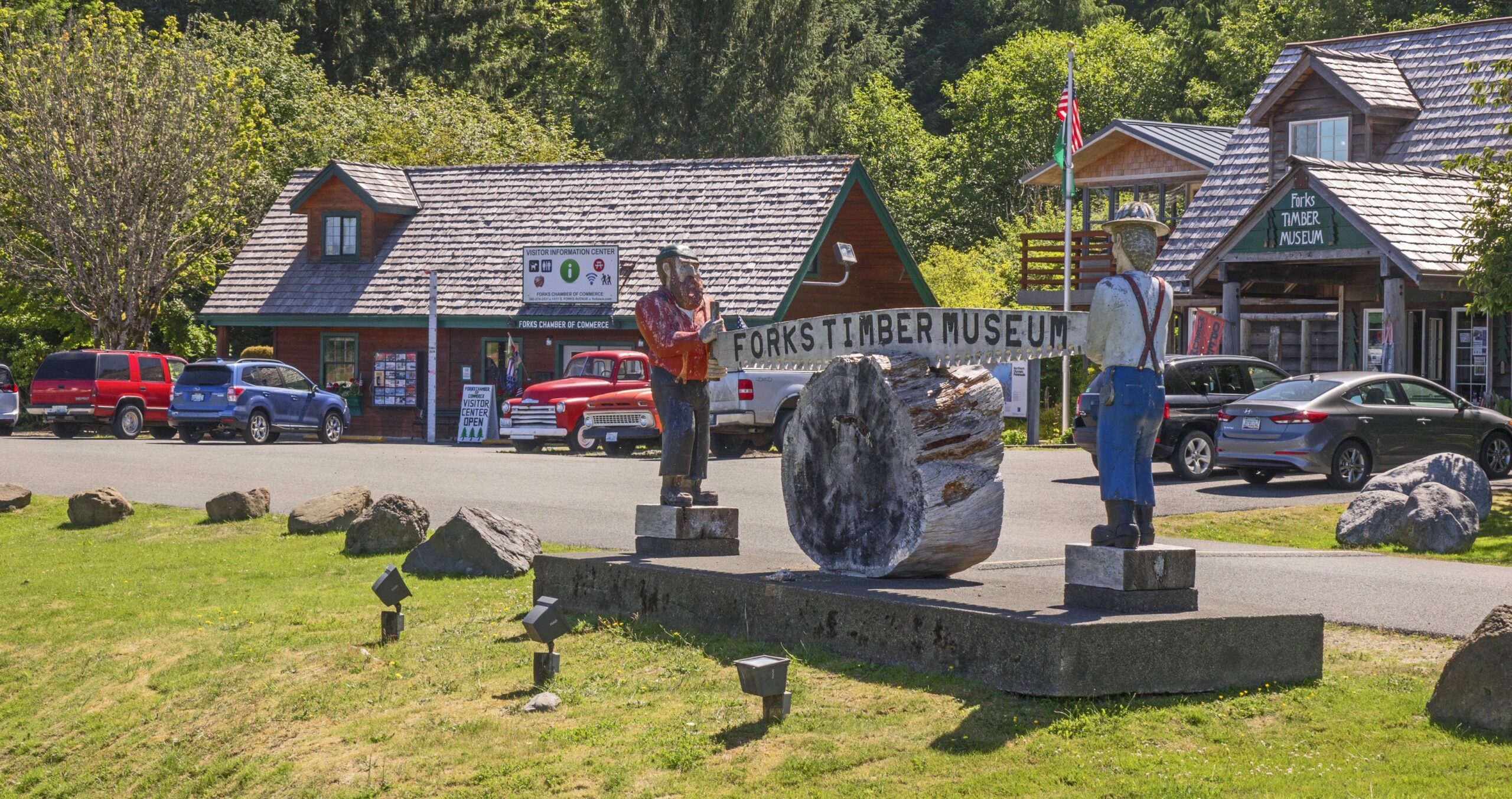
When a small town is suddenly thrust into the global spotlight—as Forks was after the Twilight Saga captured hearts around the world—tourism naturally evolves. Since the books were published in 2005 and the films released between 2008 and 2012, Forks has welcomed visitors from across the globe. In recent years, we’ve seen record-breaking visitation. It’s not only during summer, but throughout the shoulder seasons as well. With that growth comes opportunity—and a responsibility to travel thoughtfully and with care.
Here are a few tips for responsible (and rewarding!) travel, straight from the Forks Visitor Information Center team.
Slow down and leave room for discovery
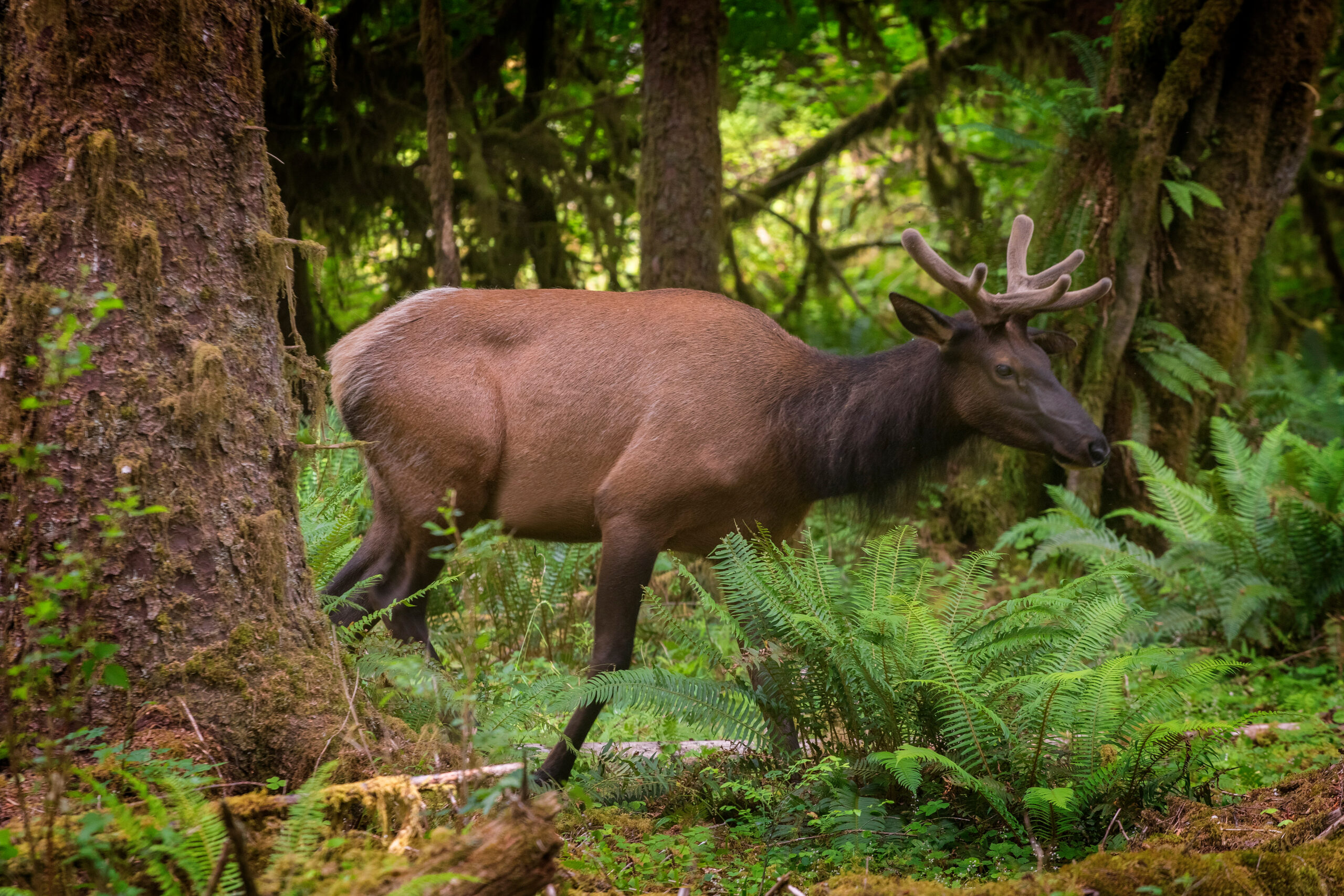
One of the best ways to experience Forks is to avoid overpacking your itinerary. Leave space for unexpected moments. Those could be attending a cultural event at the Quileute Reservation, wandering a trail in peak bloom, watching salmon swim upstream, or spotting elk along the roadside. Some of the most memorable experiences happen when you give yourself time to notice them.
Be flexible and ready to pivot
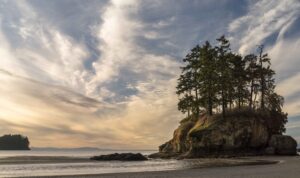
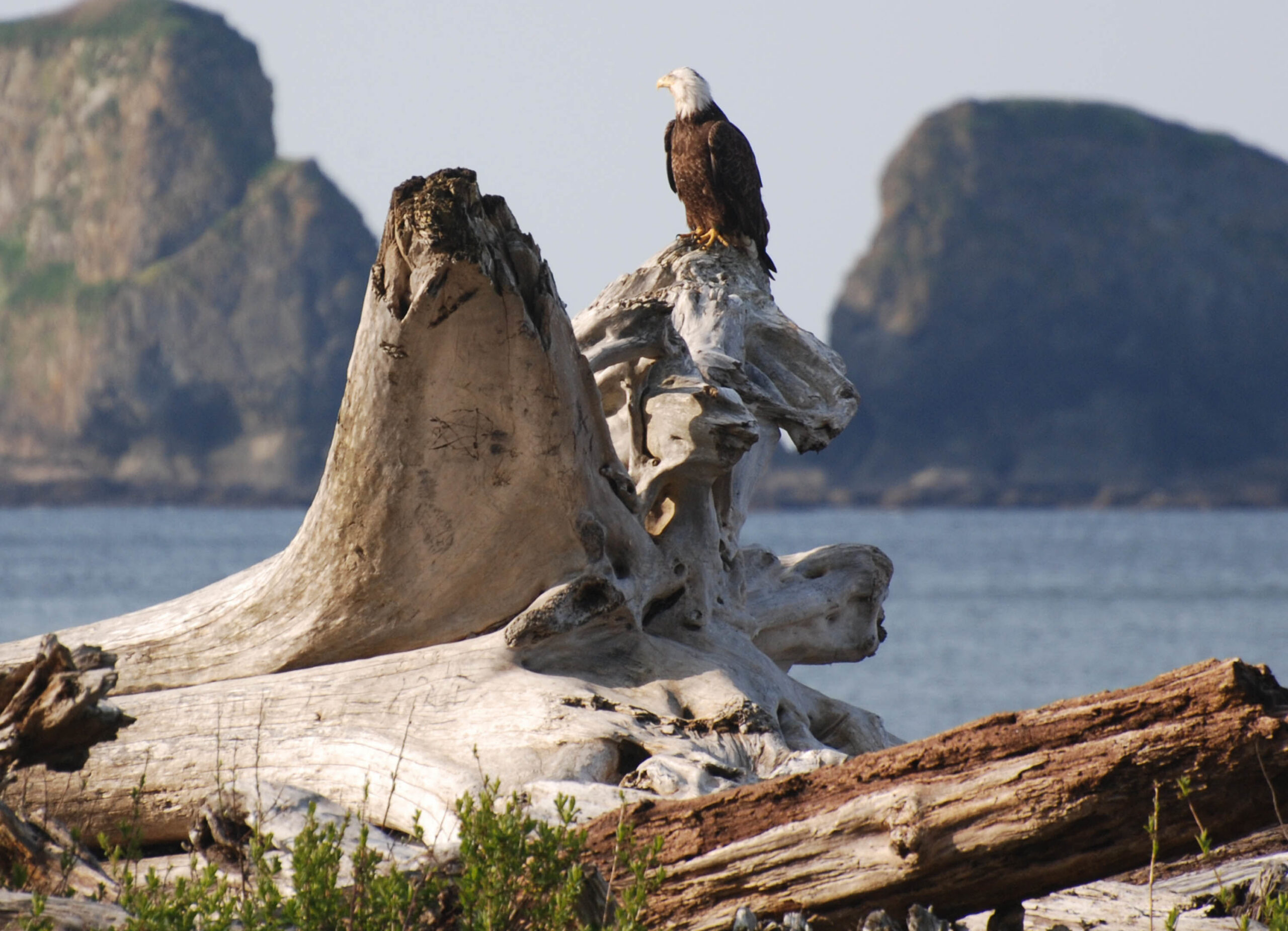
If a popular trail or attraction is crowded, consider a backup plan or ask a local for a recommendation. Forks offers access to 73 miles of wild coastline, plus easy access to the Strait of Juan de Fuca near Clallam Bay and Sekiu. This area is home to beautiful beaches with fascinating tide pools that often feel far less busy. Forks is where the forests meet the sea.
Leave it better than you found it
Practicing Leave No Trace is essential here. Litter impacts wildlife, waterways, and the natural beauty that draws people to the Olympic Peninsula in the first place. A good rule of thumb is to carry out whatever you carried in. Consider bringing a small bag to pick up trash along your hike or walk. It’s a simple act that makes a lasting difference.
Connect with our community
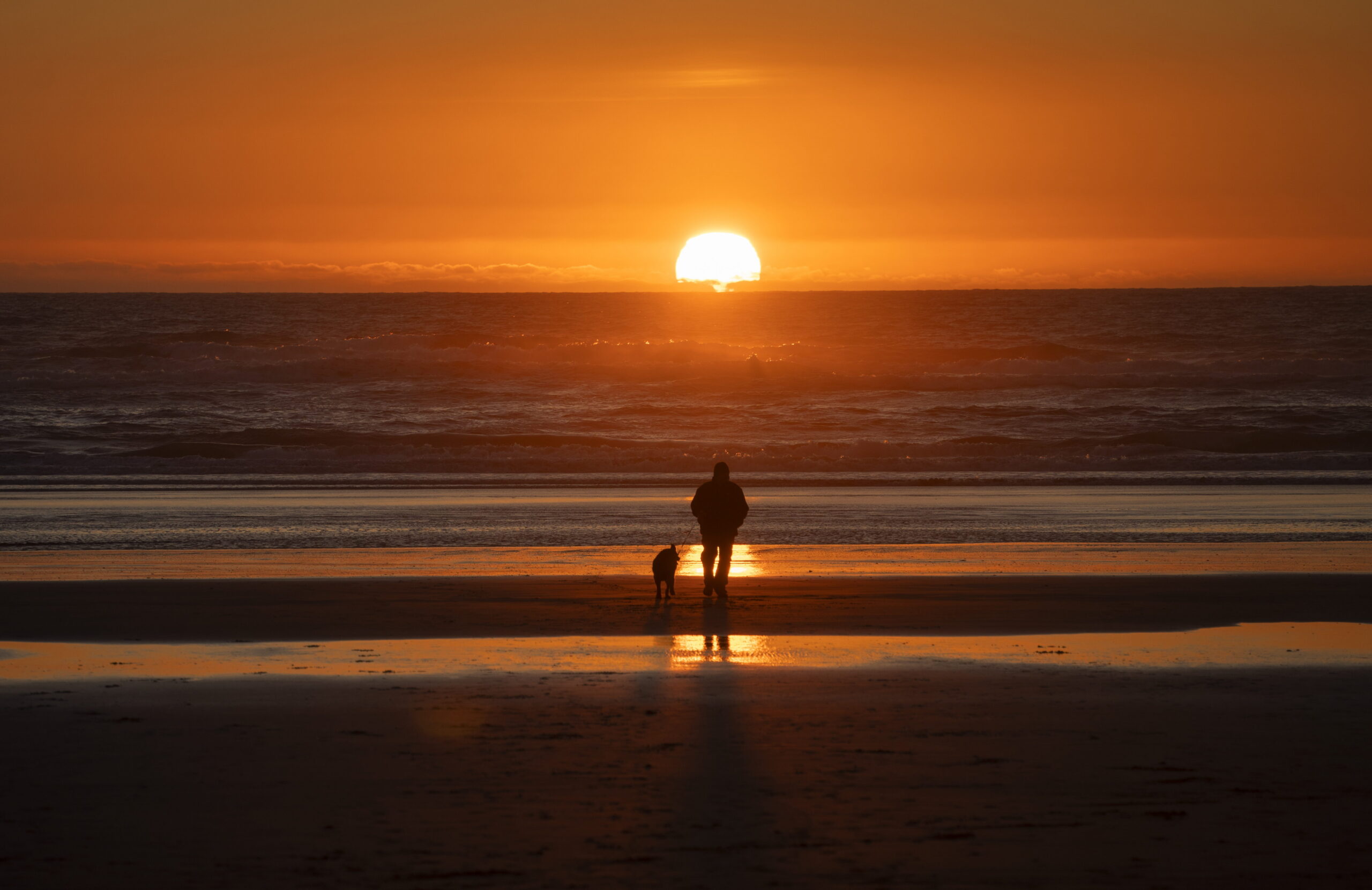
Don’t hesitate to engage with locals. Some are curious about what brought you here. Others are happy to share recommendations or stories. Many long-lasting friendships have started with a simple conversation. A smile and kindness go a long way—and are often returned in abundance.
Be present in the moment
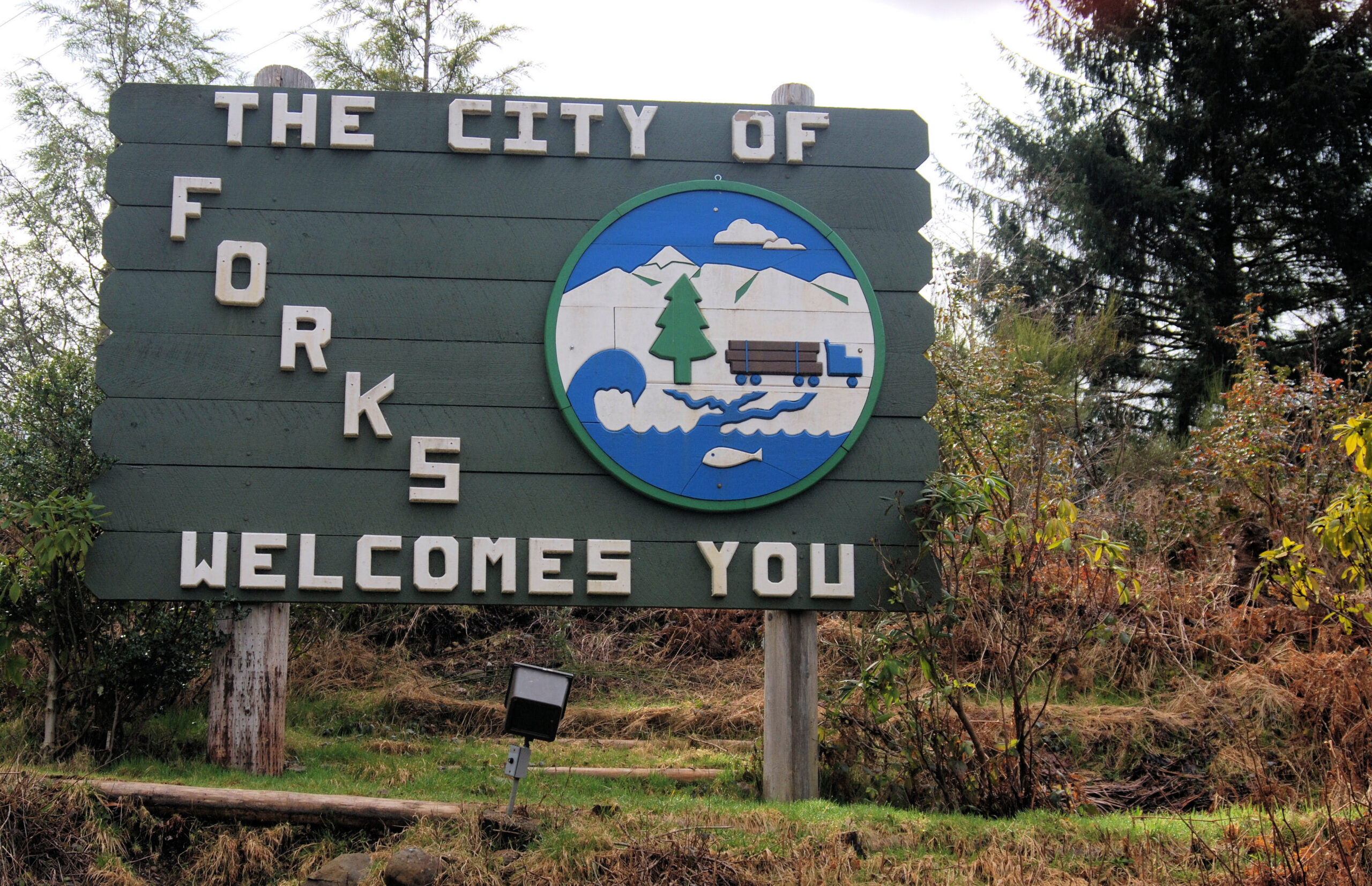
Rather than treating each stop as something to check off a list, take time to soak in your surroundings. Listen to the sounds of the forest. Breathe in the crisp salt air. Notice the changing weather. Embrace the pace of our small town life. Presence often turns a good vacation into a great one.
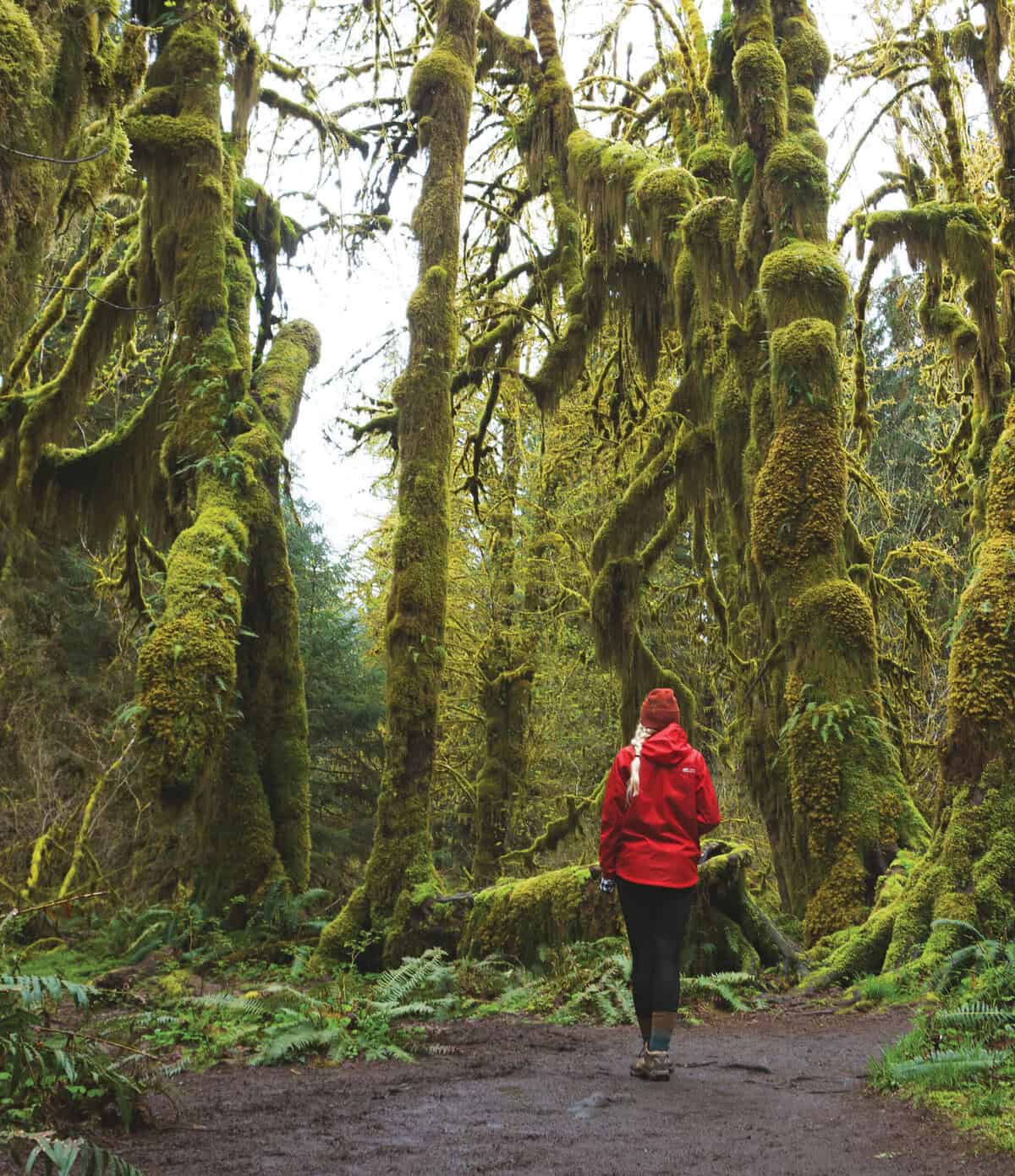
Do a little research before you arrive
Check road conditions, weather forecasts, and attraction hours ahead of time to make your trip smoother and far less stressful. This is especially important in a rural, seasonal destination where hours and availability can change throughout the year. A few minutes of planning can save hours of disappointment.
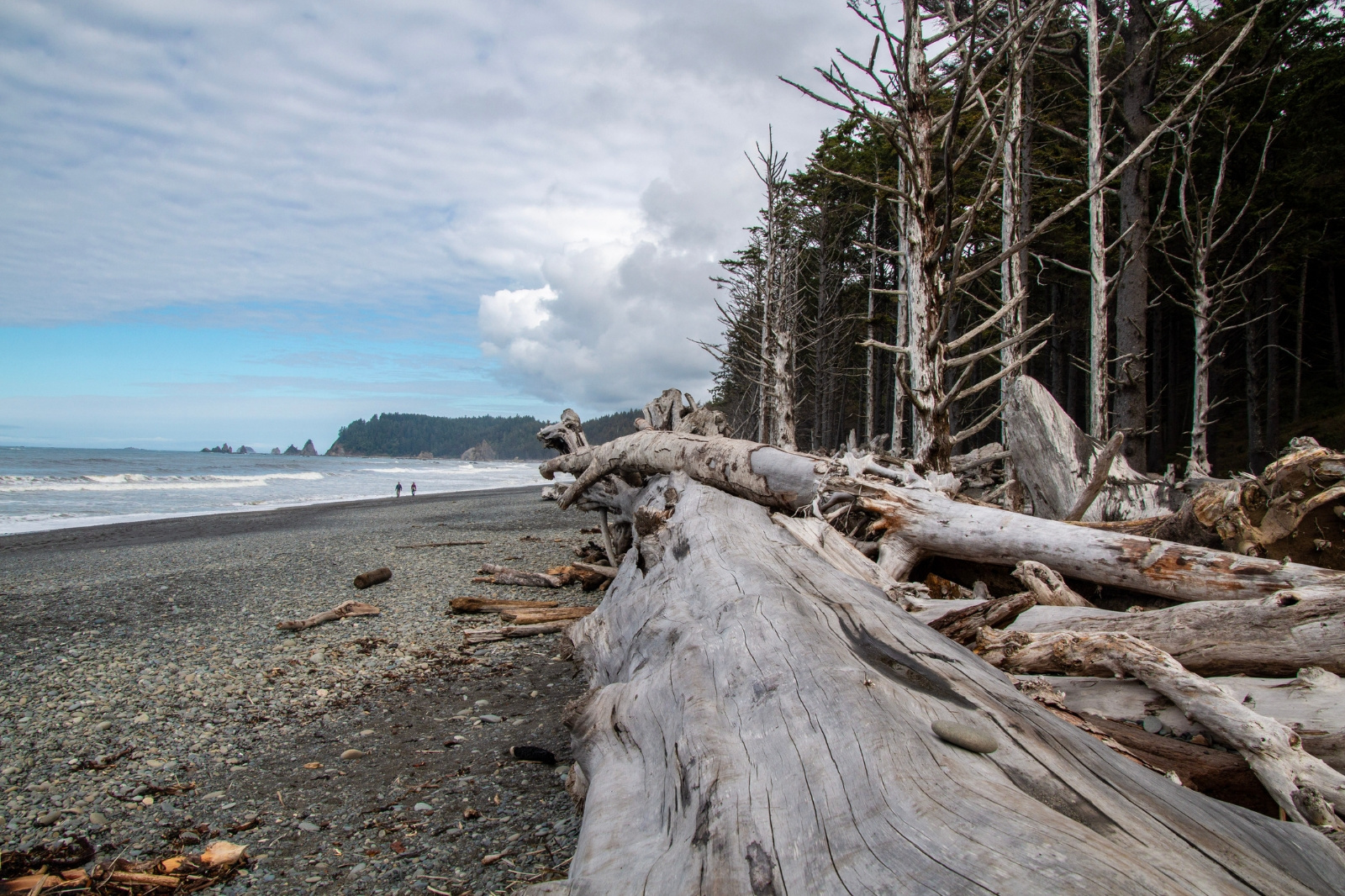
Ask for help when you need it
Forks may be small, but it’s rich in resources—especially its people. If something goes wrong or you need an item or service, don’t hesitate to ask a local. From minor mishaps to simple supply needs, help is often closer than you think.
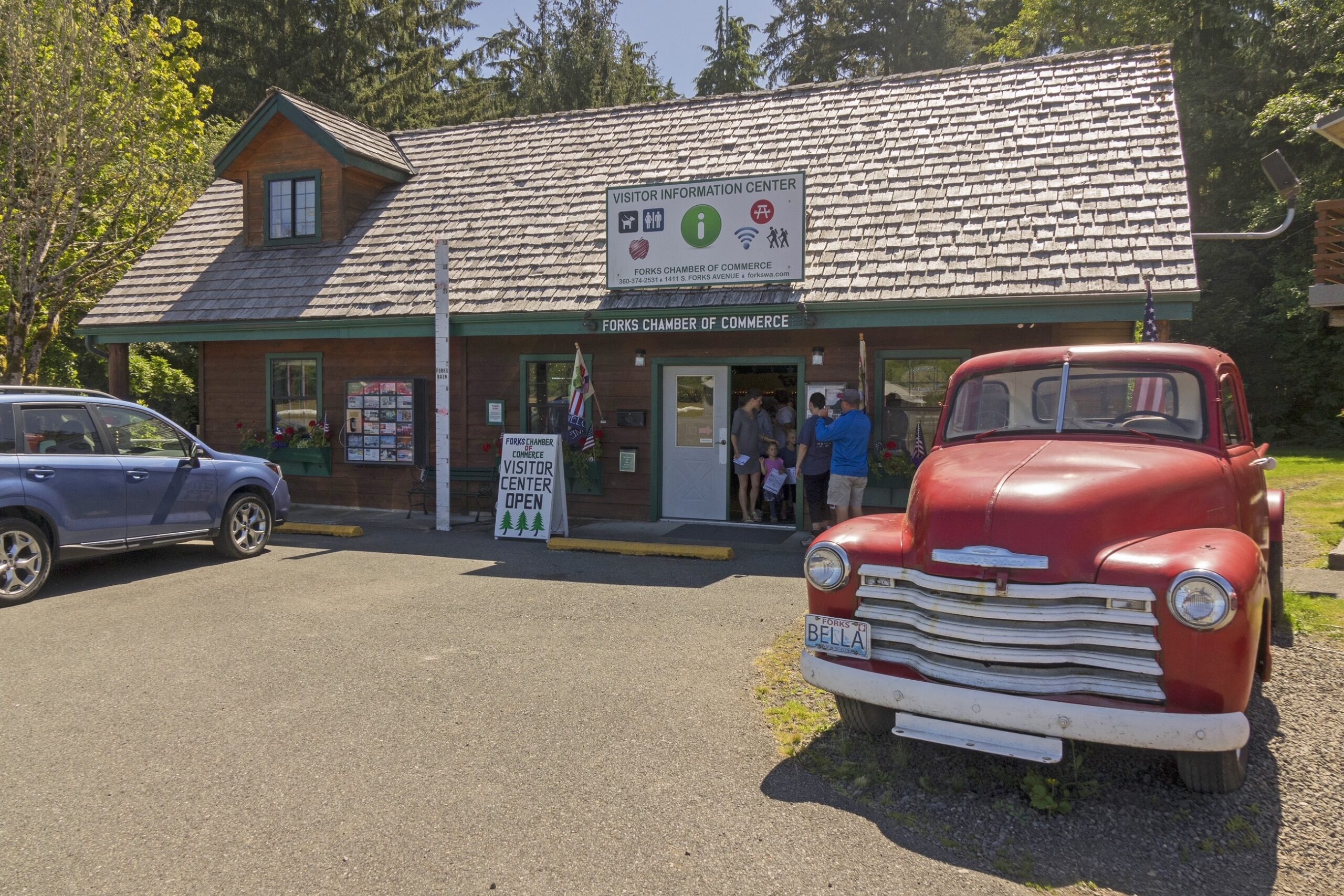
Explore beyond the usual paths
Some of the best ways to meet locals and experience authentic Forks life are by getting off the beaten path. Visit smaller grocery stores. Attend community events. Stop by the library, arts center, or community center. Visitors are often welcome to join in—and these experiences offer a deeper connection to the place you’re visiting.
We hope these tips help you travel responsibly while fully enjoying everything Forks has to offer. We can’t wait to welcome you to explore with care in the rain, forests, beaches, stories, and all.
By guest blogger Lissy Andros, Forks Chamber of Commerce
Cover photo courtesy of Olympic Peninsula Visitor Bureau
Ready to explore the Olympic Peninsula? Check out our events calendar to see what’s happening during your visit.