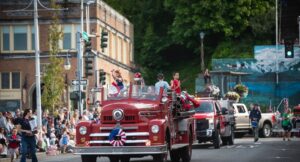




A hallmark event each October, the Dungeness Crab Festival is dedicated to celebrating the cultural heritage and maritime traditions of the North Olympic Peninsula. Held in Port Angeles’ historic waterfront district, the festival honors the legacy of Dungeness crab and the natural beauty of our region through sustainability, economic growth, and a sense of local pride.
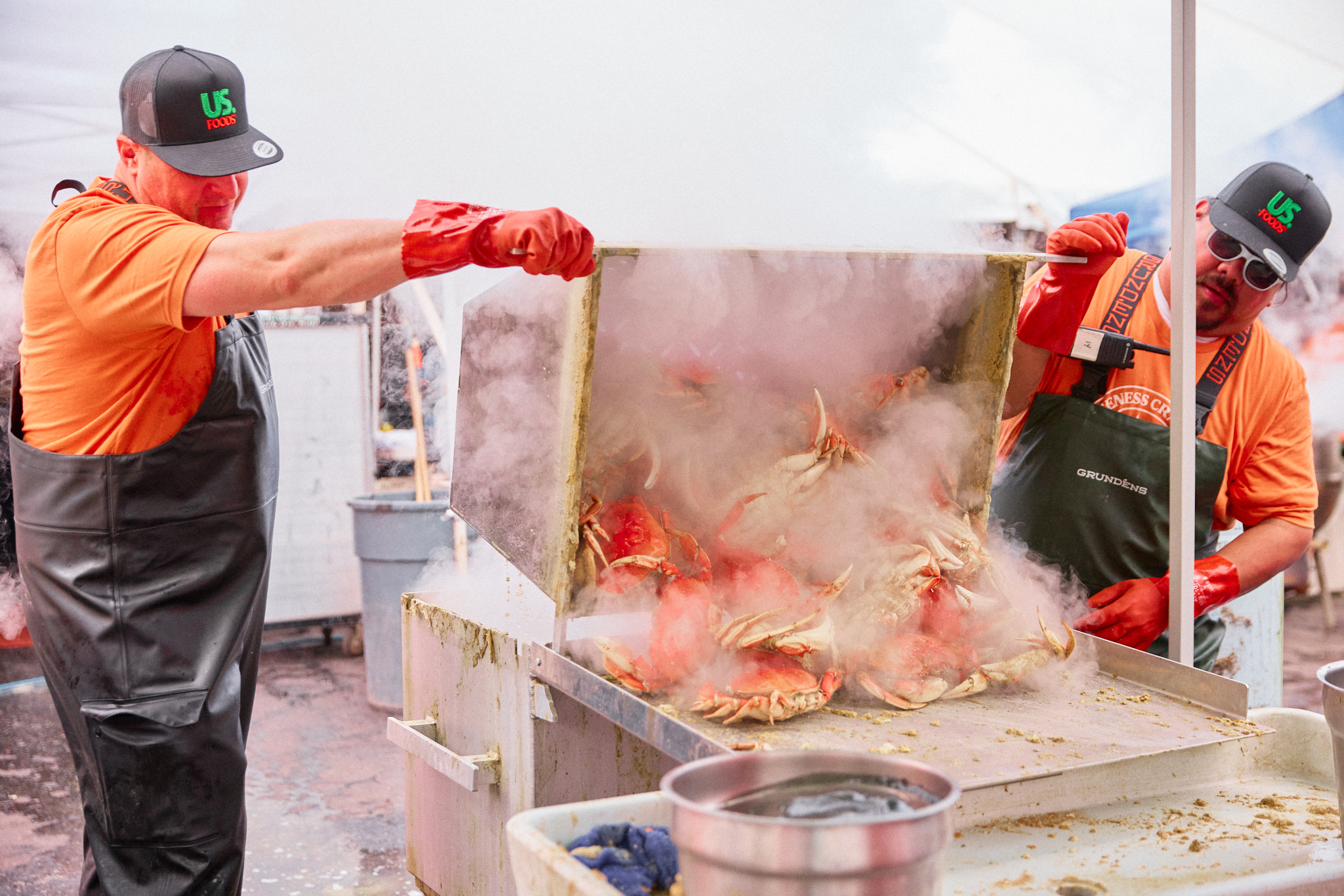
Dungeness crabs have been harvested commercially by non-Native people since around 1848, but for centuries before that, the nəxʷsƛ̕áy̕əm̕, or Klallam and S’Klallam People, utilized this rich Salish Sea resource.
The nəxʷsƛ̕áy̕əm̕ are divided into three politically sovereign tribal governments that hold a sacred attachment to much of the lands in Clallam County and some lands in Jefferson and Kitsap Counties: the Lower Elwha Klallam Tribe, the Jamestown S’Klallam Tribe, and the Port Gamble S’Klallam Tribe.
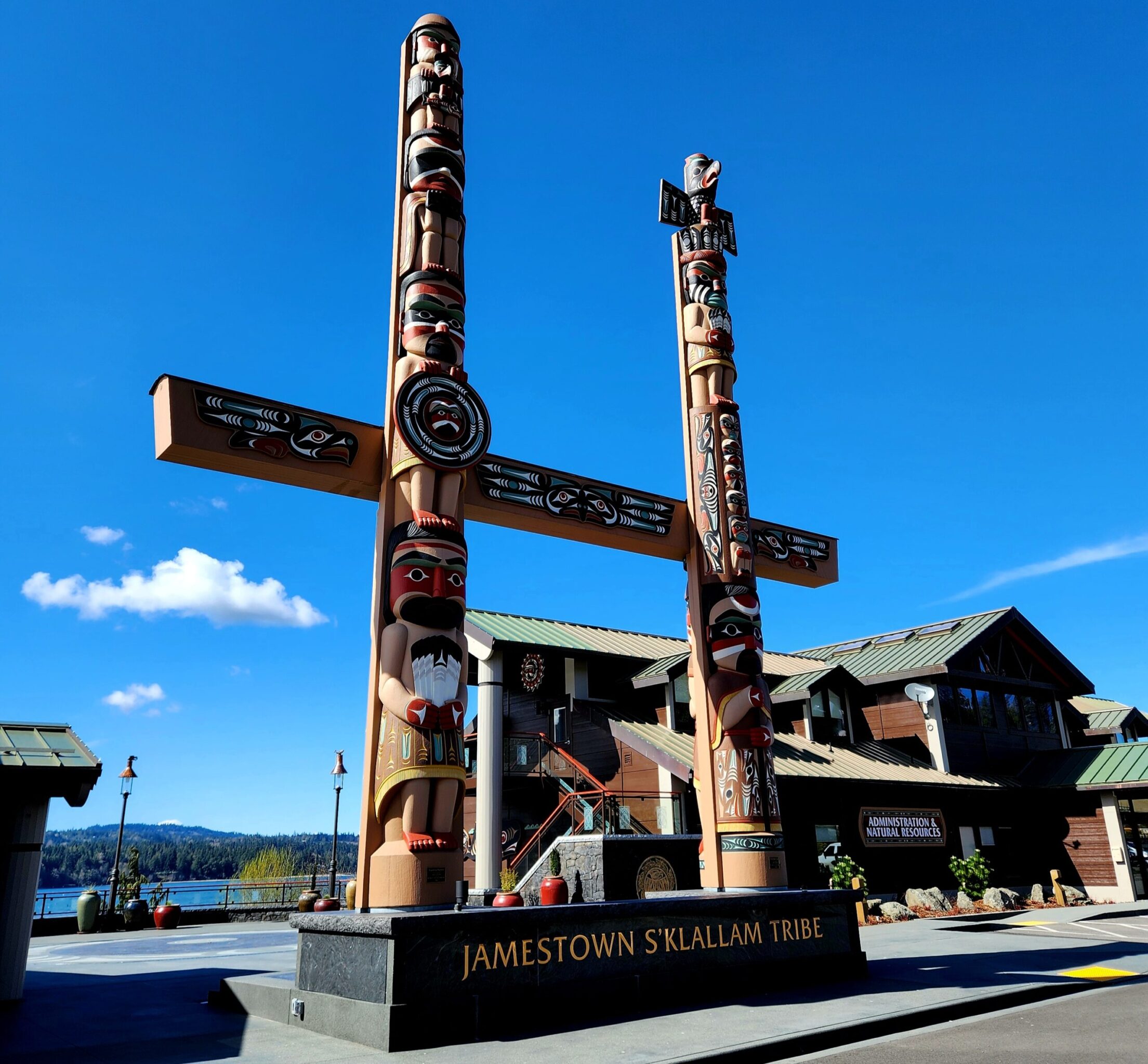
Their lands stretched west to the Hoko River near Neah Bay, east to Kingston and Poulsbo, north to a portion of Vancouver Island, British Columbia, Canada, and south into Hood Canal to Hamma Hamma. Since time immemorial, the S’Klallam People have stewarded the land, calling it a sacred duty to care for their brothers and sisters of creation.
In return, the lands, seas, plants, and animals would provide all the resources humans needed to thrive. The relationship between the S’Klallams and the land was deeply powerful, spiritual, and relational. As long as careful respect was given to any creation, like the bounties of the Salish Sea, it could be used for sustaining those who lived there.
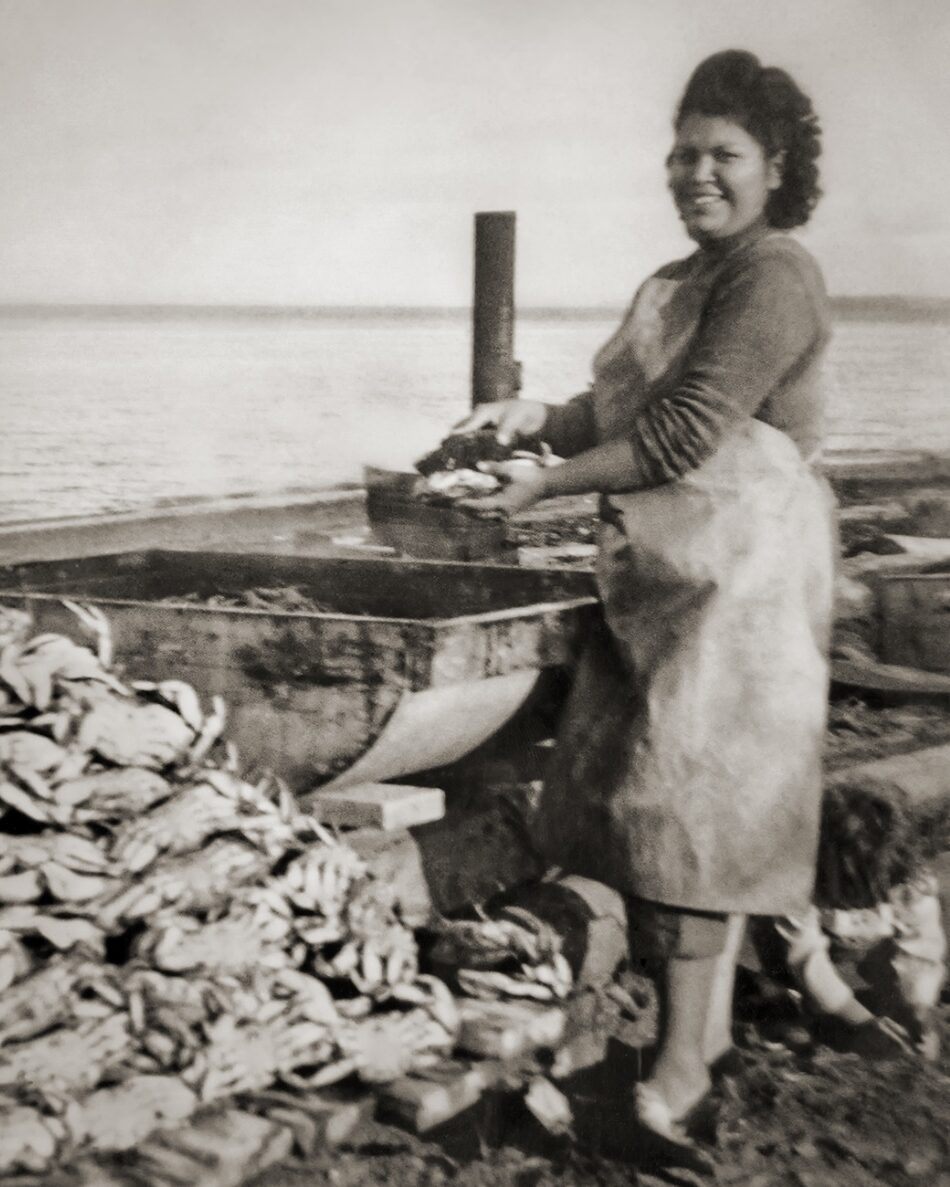
The S’Klallam culture of sharing resources generously with one another was integral to survival. The Dungeness Crab (called ʔáʔčx̣ or “ah-ch-throat clearing sound”) was a plentiful relative. The earliest method of catching Dungeness crab was by traps in deep waters. Ancient crab traps were square or rectangular wood boxes tied together with twine and later made with wood and chicken wire. Crabs were then stored on the beach in wooden boxes so the ocean could keep them alive and fresh. The traditional way to process crab was through boiling them whole in salt water to maintain the natural flavor of the meat. What a happy community event it must have been on the beach, with bright fires burning and containers full of bright, succulent Dungeness crab!
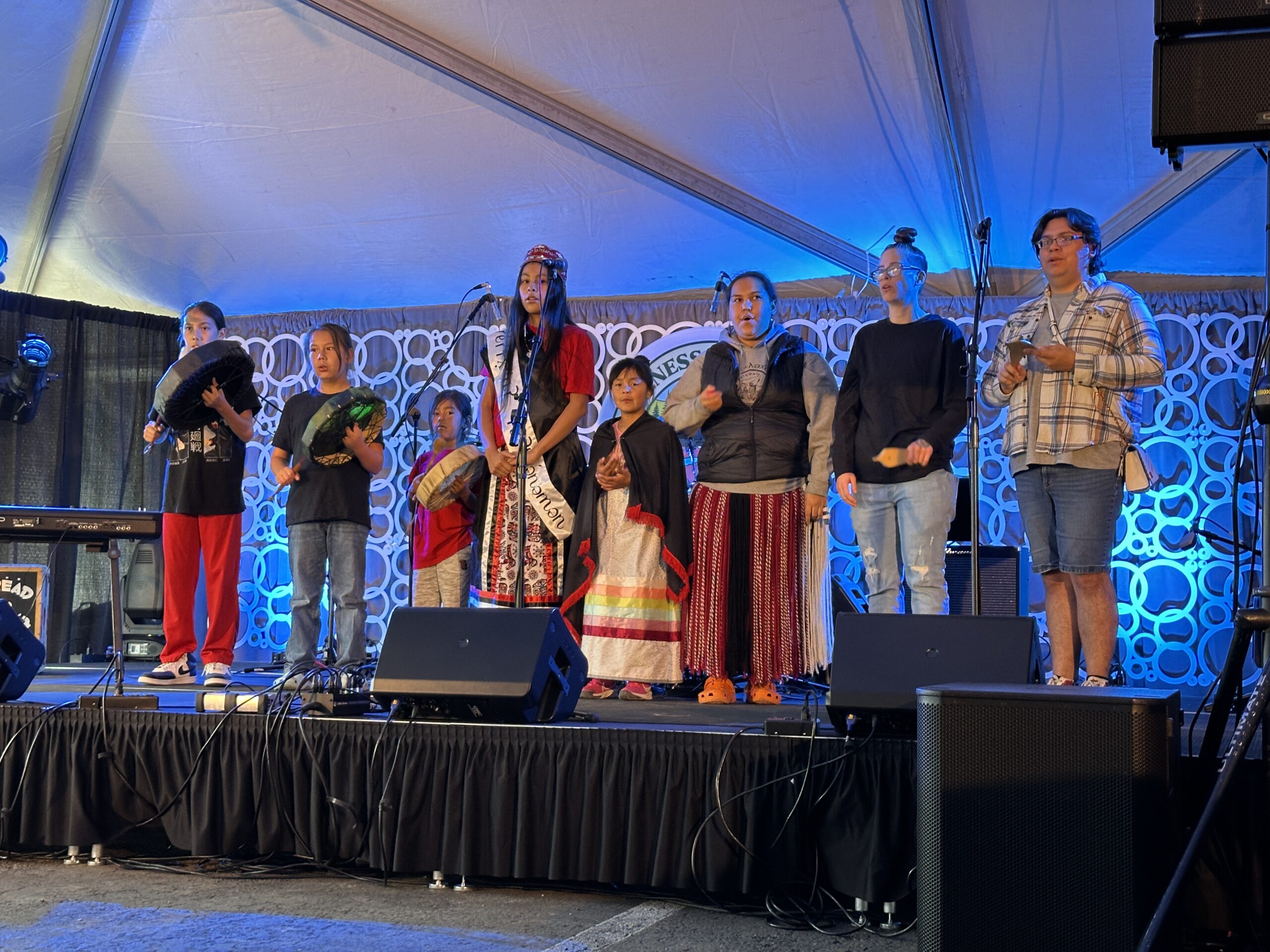
As both Native and non-Native commercial crabbing became more popular, overharvesting was a concern, in direct disrespect to the beliefs of sharing valuable resources. Today, tribes work closely with the Washington State Department of Fish and Wildlife to co-steward marine resources, including the Dungeness crab, to ensure they will be available for all people to harvest for generations to come.
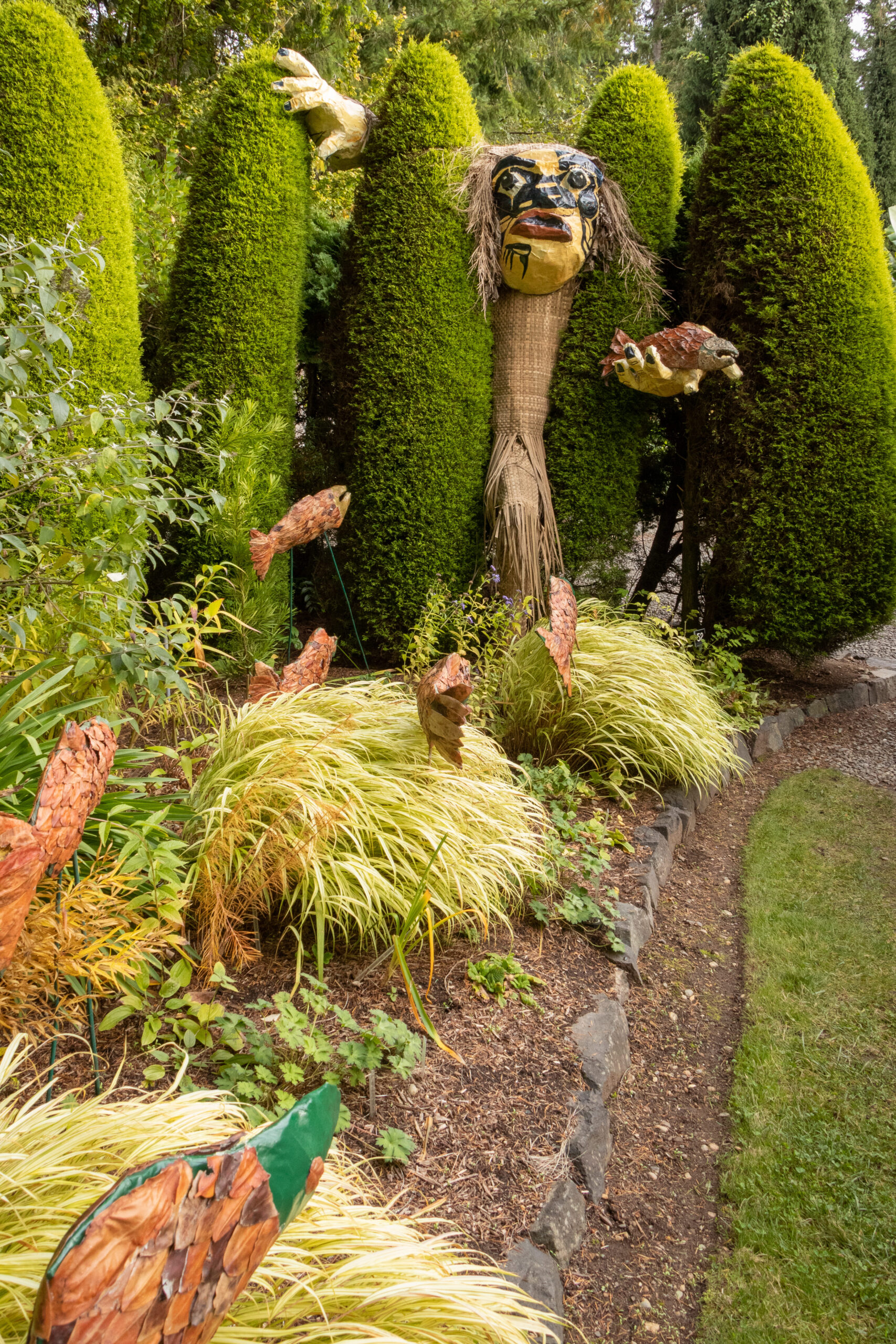
According to Klallam/S’Klallam legends, Dungeness crabs provide humans with a healthy food source, but also wisdom and friendship. In one story, Grandmother Crab was a teacher of responsibility and the importance of protecting the family unit. In another legend, a group of crabs protected a fisherman and children from the large forest woman, Slah-poo, by pinching her until she fell in the water and drowned. These relationships, values, and life lessons have stood the test of time and evolution, proving that deep connections are never lost.
The Dungeness Crab Festival has created a self-guided brochure of several important sites around the North Olympic Peninsula that relate to the richness of Klallam/S’Klallam traditions and history. Please consider honoring these traditions, nature, and our valuable resources by visiting the 10 Places of Understanding areas. A full description of each site can be found on the festival’s History and Culture page, or pick up a brochure at the Port Angeles Visitor Center and at the festival information booth during the event weekend.
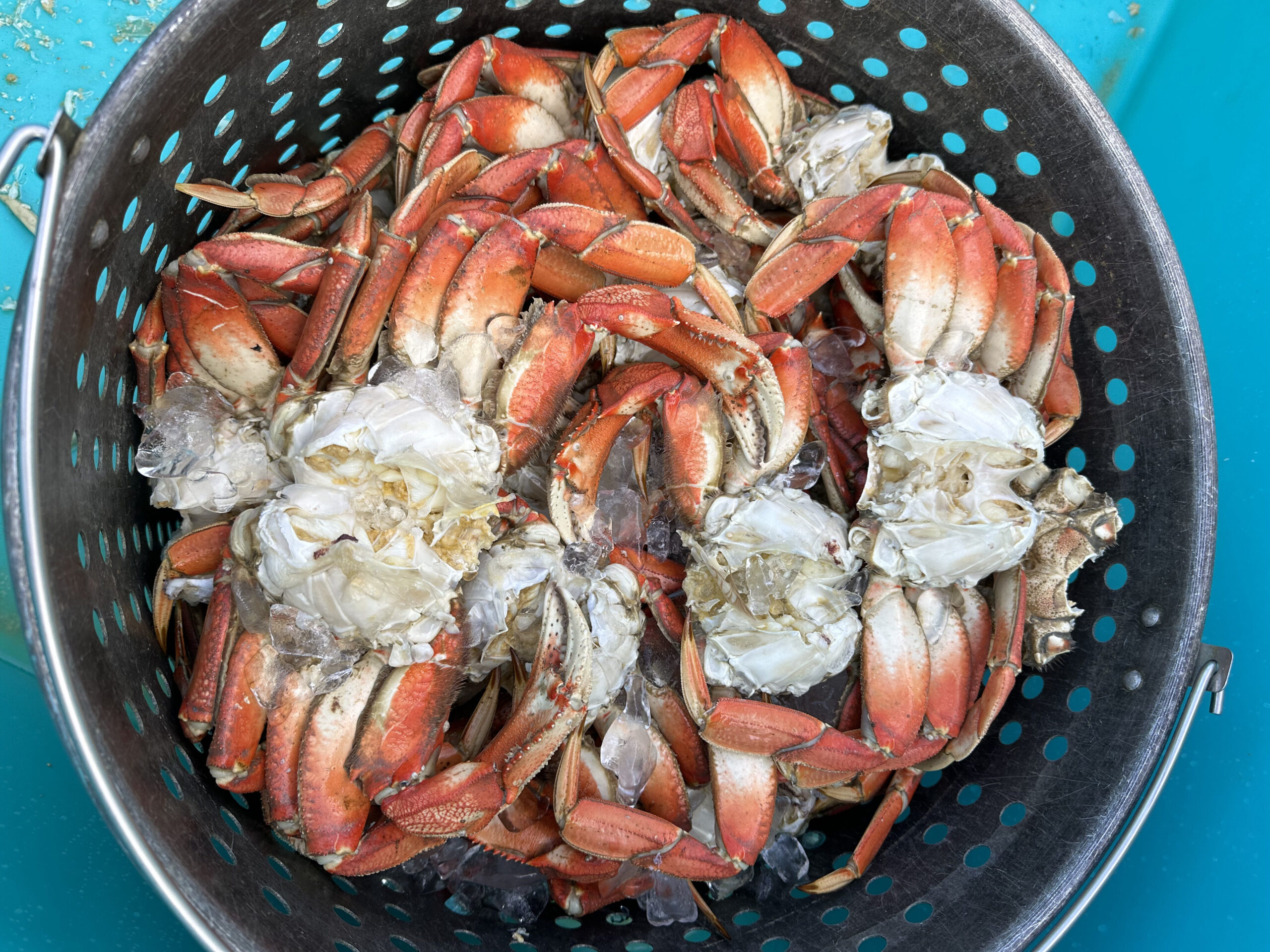
The 2025 Dungeness Crab Festival will kick off Friday, October 10, and run through Sunday, October 12, with music, artisan crafts, educational opportunities, and of course, a bountiful feast of Dungeness crab. Learn more about the traditions behind the Dungeness Crab Festival, including a full schedule of activities HERE.
Written by guest blogger Erin Kirkland
Click HERE to see what events are happening on the Olympic Peninsula.